How Does Beef Contribute to Climate Change
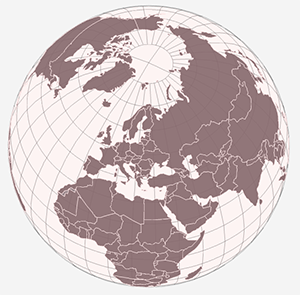
Global
The EAT-Lancet Commission finds that, at a global scale, consumption of red meat is currently much college than what it considers to be salubrious and sustainable.
The proportion of meat in the global diet is currently around 3 times higher than recommended past the Consume-Lancet'south planetary health diet.
The global consumption of eggs is also at a level that is considered to be neither good for you nor sustainable.
By contrast, the globe's consumption of legumes (pulses and beans), whole grains and nuts is far below what is required for a healthy and sustainable diet.
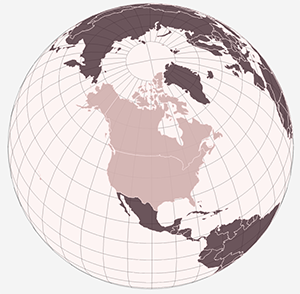
North America
North America'south red meat consumption far exceeds that of any other earth region – and is more than than half dozen times higher than the level recommended by the Swallow-Lancet's planetary wellness diet.
North America also consumes more eggs, dairy and poultry than any other world region and would need to reduce intake of all these products in society to meet the requirements for a salubrious and sustainable diet.
By dissimilarity, information technology ranks articulation lowest in the world for consumption of whole grains, such as bulgur wheat, oatmeal and brown rice.
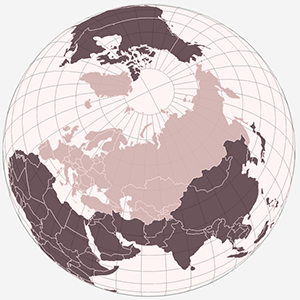
Europe & Fundamental Asia
Europe and Central Asia rank second in the world for ruby meat consumption, exceeding the level needed for a good for you and sustainable diet by more iv times.
The region also consumes an unsustainable amount of eggs, dairy and poultry – but to a lesser extent than North America.
It is the earth's second largest fish and seafood consumer.
The region ranks joint lowest in the world for consumption of whole grains aslope North America.
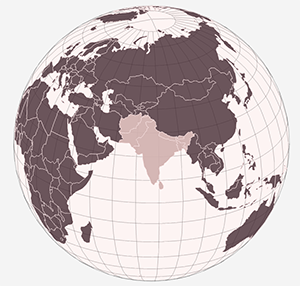
South Asia
South asia currently ranks lowest in the world for red meat consumption and could sustainably accept a diet fabricated up of nigh twice as much crimson meat, co-ordinate to Swallow-Lancet.
It also eats the least poultry out of whatsoever world region.
By contrast, it ranks second in the earth for consumption of legumes (pulses and beans) and also ranks highly for the consumption of whole grains.
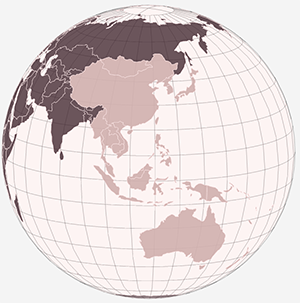
Due east Asia & Pacific
The Eastward Asia and Pacific region is the earth's largest fish and seafood consumer, eating a higher proportion of these products than is considered sustainable by EAT-Lancet's planetary health diet.
The region also eats more red meat and eggs than is considered to exist sustainable and healthy.
If it were to see the conditions of the planetary wellness diet, information technology would demand to boost its dietary share of fruit, legumes, wholegrains and nuts.
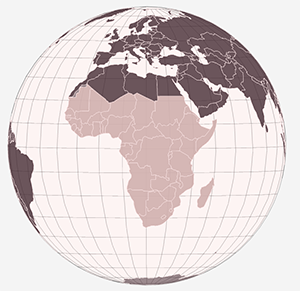
Sub-Saharan Africa
Sub-Saharan Africa eats the highest proportion of starchy vegetables such equally potatoes, cassava and plantain.
Economic limitations permitting, if information technology were to meet the Swallow-Lancet'due south requirements for a healthy and sustainable diet, it would need to reduce its reliance on starchy vegetables in favour of other fresh vegetables, whole grains and legumes.
Nonetheless, the proportion of red meat in sub-Saharan Africa'southward average diet is considered to be sustainable and salubrious.
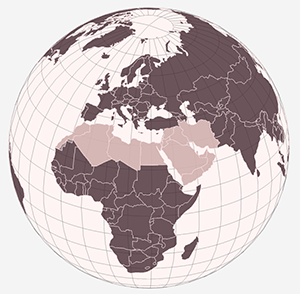
Middle E & North Africa
Middle Due east and Northward Africa is the only region to come across the Swallow-Lancet'southward recommended vegetable intake.
Nevertheless, it would demand to up its consumption of fruit, whole grains and basics, and reduce its consumption of red meat, eggs and poultry, if it is to reach what Swallow-Lancet considers to be a fully sustainable and healthy diet.
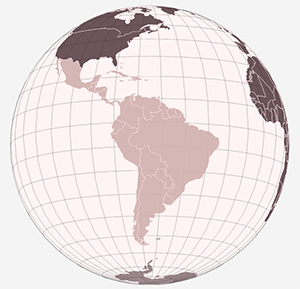
Latin America & Caribbean
Latin America and the Caribbean ranks third for red meat consumption, exceeding the level needed for a healthy and sustainable nutrition by a factor of iv.
The region besides eats around four times the amount of starchy vegetables than is recommended for a good for you and sustainable diet by the EAT-Lancet.
Notwithstanding, it ranks first in the world for the consumption of whole grains.
williamswhatefteld.blogspot.com
Source: https://interactive.carbonbrief.org/what-is-the-climate-impact-of-eating-meat-and-dairy/

Post a Comment for "How Does Beef Contribute to Climate Change"